


Dr. Lampasi and OrthoChildren Center (Bologna, Italy) are among the most experienced international centers in applying the entire spectrum of surgical options.
Minimally invasive treatment of incomplete corrections or relapses
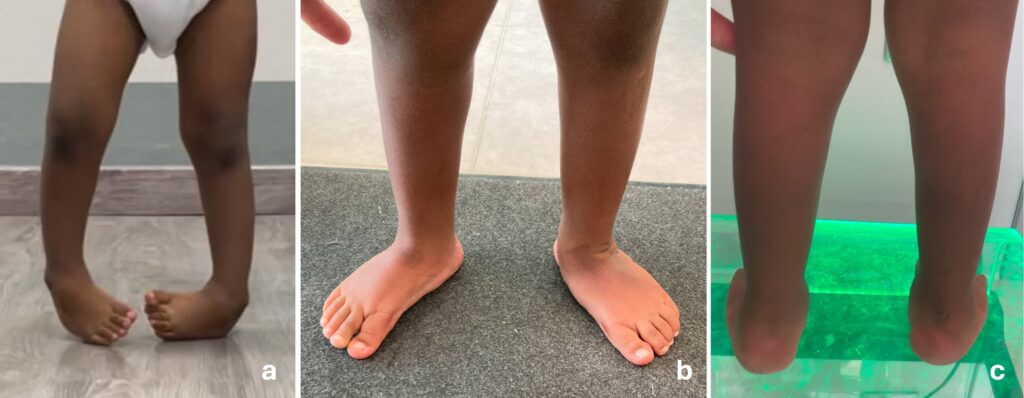
Although the Ponseti method is very effective and has been widespread throughout the world for many years, it is not uncommon to see newborns or children with incorrectly treated feet and poor results: a high number of casts, atypical feet, long scars, incomplete corrections, etc.
In many of these cases, families are often offered invasive surgical solutions, which would instead create further scars.
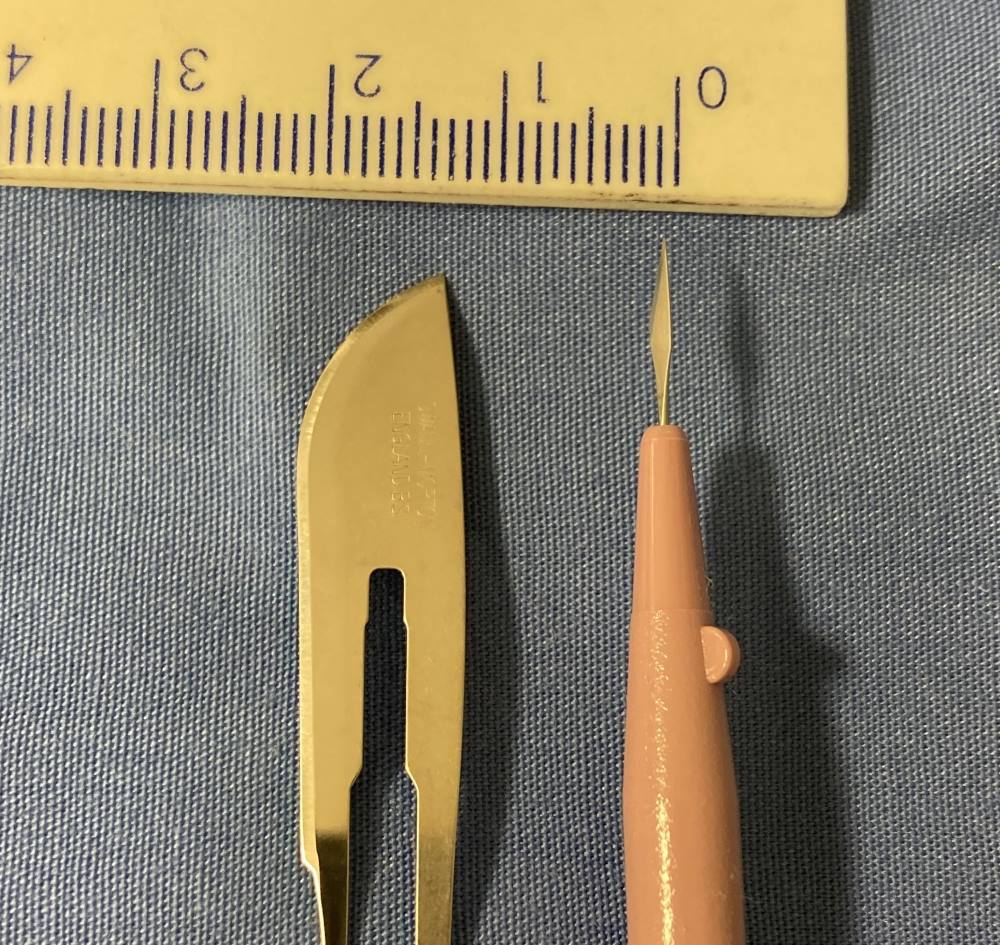
Our center has considerable experience in the minimally invasive management of these situations, using microsurgery scalpels (which leave almost invisible scars), always applying the principles of the Ponseti method and avoiding extensive surgical procedures.
The results are significantly superior to those we had in the past in the years when classical methods were used.
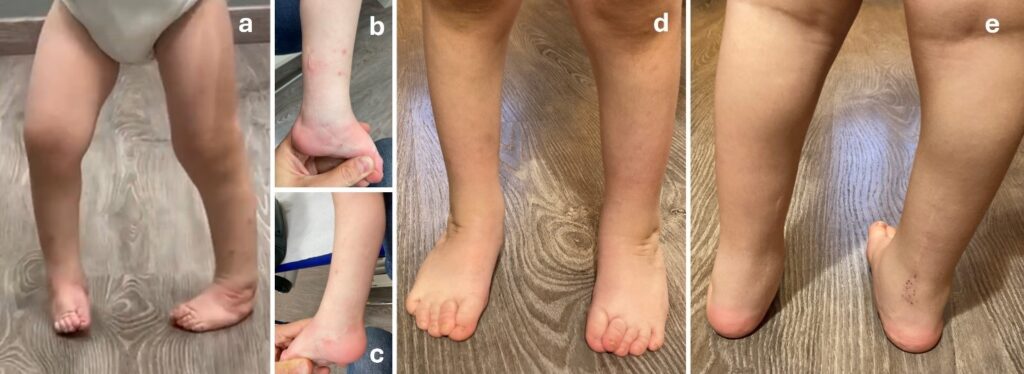
Cutting-edge technique for Tibialis Anterior Tendon Transfer for clubfoot recurrence
Our group has considerable experience in using an innovative method for the transfer of the anterior tibialis, combined with the minimally invasive Ponseti method. See dedicated sheet
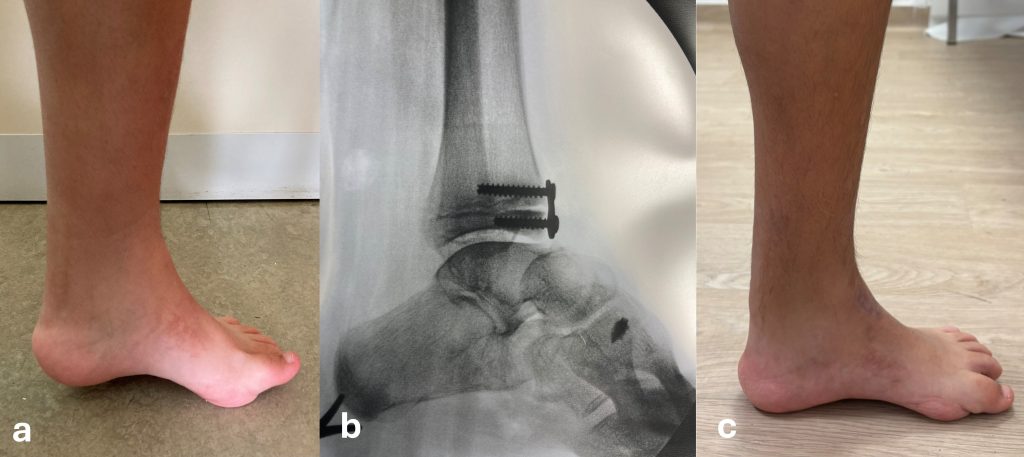
Guided Growth Techniques (Epiphysiodesis) for Equinus Foot with Flat Top Talus
In specific cases, the feet are resistant to the treatments performed and remain equinus (i.e. with the toe pointing downwards) or have very limited upward movement.
In these cases, if the cause of the arrest of movement is a flattening of the talus (flat top talus) that does not allow the ankle to rotate adequately, an epiphysiodesis procedure is indicated.
By applying a modern system on the growth cartilage of the ankle, the growth of the bone itself is modified without the need to perform osteotomies, that is, without cutting the bone. In this way, it is possible to progressively gain movement of the ankle upwards.
Combined Techniques for Complex Recurrences of Congenital Clubfoot
In larger patients or those with complex relapses, in patients who arrive to us because they have already been operated on without success, etc., it is necessary to carry out more complex interventions.
The procedures try to be as minimally invasive as possible, but in cases where it is required, more complex procedures are associated (soft tissue releases, osteotomies, etc.).
One of the main goals is to avoid performing arthrodesis. Arthrodesis, which consists in completely eliminating joints to obtain the correction of the foot, unfortunately in the past was seen as the best and definitive solution; however, this is not the case, and by working properly it is possible to avoid it in most cases.
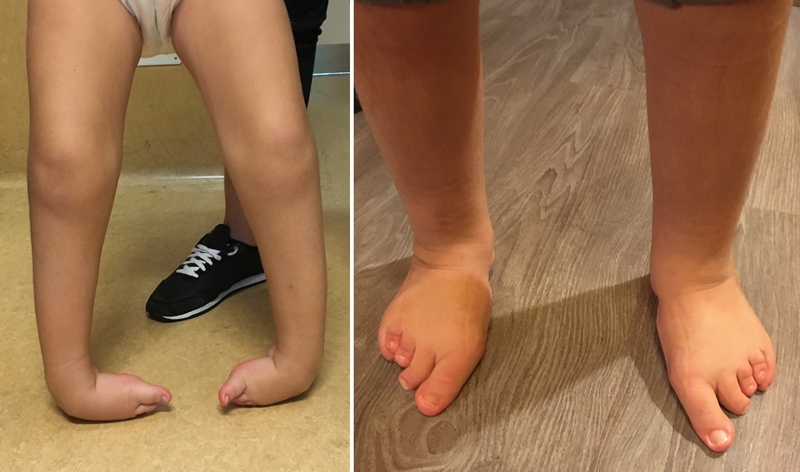
Among the procedures that may be requested:
- percutaneous Achilles tenotomy, percutaneous fasciotomy, adductor and finger flexor tenotomy
- anterior tibial transfer
- soft tissue release, peroneal procedures
- osteotomies (of the calcaneus, cuboid, first metatarsal)
- arthrodesis (in extreme cases).
External fixation techniques for the correction of severe cases
Our group has considerable experience in the application of external fixators for foot deformities so severe that they cannot be treated with the methods seen in the previous paragraphs: for example, clubfeet that have already been operated on repeatedly, very stiff, in arthrogryposis, etc. (see the dedicated sheet)
We have successfully treated several patients who had already been operated on elsewhere without benefit.
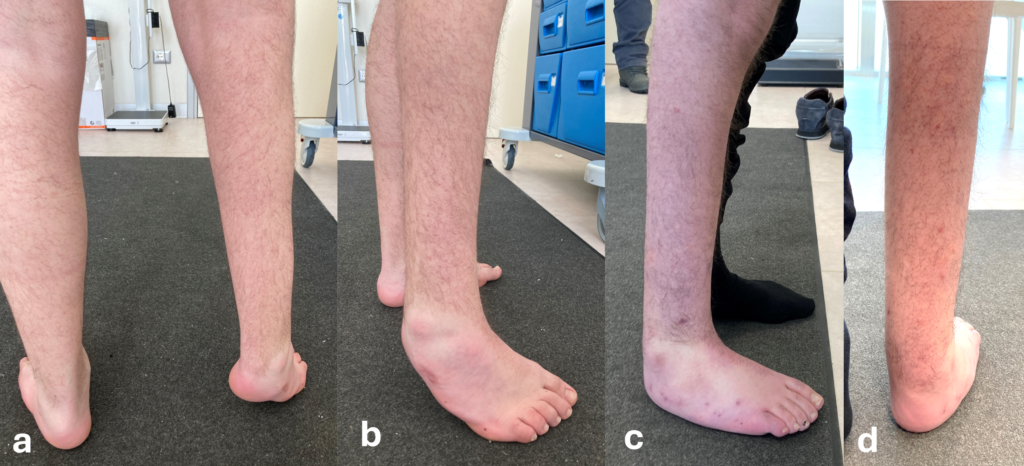
Patients from abroad: can OrthoChildren Center treat foreign patients?
Yes, many patients come from all countries (Europe and USA):
- the surgical equipe has a wide experience with these procedures
- the procedure is less expensive than in USA and other countries
- Families take advantage of this opportunity to combine a trip to the beauties of Italy